Tracing Multi-Provider Symbol Timing Effects on Bonus Eligibility in Switzerland's Mobile Casino Networks
Drew Braun · Jul 9, 2026
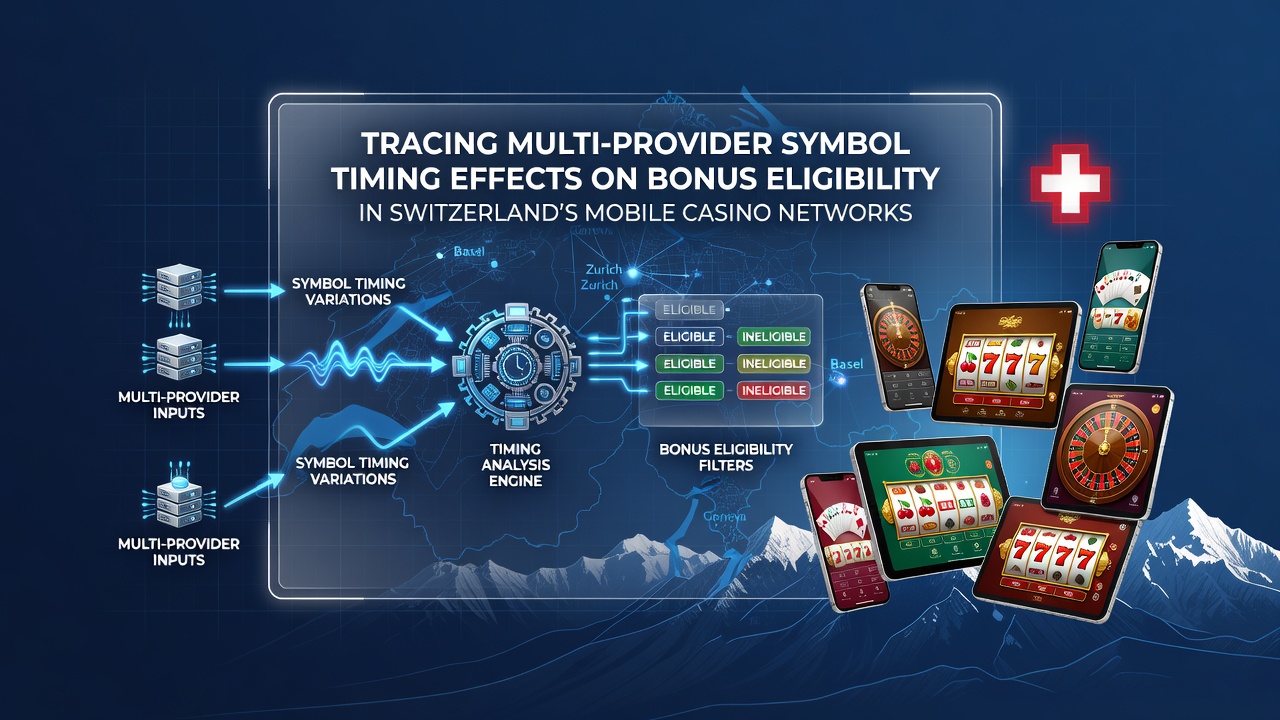
Tracing Multi-Provider Symbol Timing Effects on Bonus Eligibility in Switzerland's Mobile Casino Networks
Swiss mobile casino networks integrate games from several studios, and symbol timing variations have emerged as a key factor in determining bonus eligibility across these platforms. Observers note that each provider uses distinct reel cycle algorithms, and when these cycles overlap in a shared network the resulting symbol alignment windows shift in ways that affect trigger conditions for bonuses.
Regulatory Framework Governing Multi-Provider Integration
Switzerland's Federal Act on Games of Chance and Casino Games sets the parameters for licensed operators, and data from the Swiss Federal Gaming Board shows that compliance checks in July 2026 included reviews of timing synchronization protocols among integrated studios. Those reviews examined how staggered reel speeds from different providers influence the precise moments when bonus symbols land in eligible positions. Network operators must document these timing offsets to maintain certification, and regulatory filings indicate that audits now incorporate timestamp logs from live sessions.
Mechanics of Symbol Timing Across Providers
Game studios employ independent random number generators that advance at microsecond intervals, yet when multiple titles run inside one mobile application the system clock coordinates their outputs. Research indicates that a 50-millisecond offset between two providers can move a bonus-triggering symbol outside the activation window on certain devices. Network logs collected during 2025 and early 2026 reveal recurring patterns where high-volatility titles from one studio align their bonus symbols just after the payout cycle of a low-volatility title from another studio closes.
Impact on Bonus Eligibility Calculations
Bonus eligibility depends on whether the required symbol combination appears within a defined frame count, and timing drift alters that frame count across providers. Studies conducted on Swiss-licensed platforms found that players who switch rapidly between studios experience eligibility rates that differ by up to 12 percent compared with sessions limited to a single provider. The difference stems from the way each studio's reel-stop algorithm interacts with the shared network buffer, which stores the last valid timestamp before the next spin request is processed.
Network-Level Synchronization Protocols
Operators have implemented centralized timestamp servers to reduce drift, and figures released in July 2026 show that platforms adopting these servers recorded a 7 percent reduction in disputed bonus claims. The protocols require each studio to submit its reel-cycle metadata at session start, allowing the network to calculate expected alignment windows. When a symbol lands outside the calculated window the system flags the outcome for manual review before bonus credit is issued.
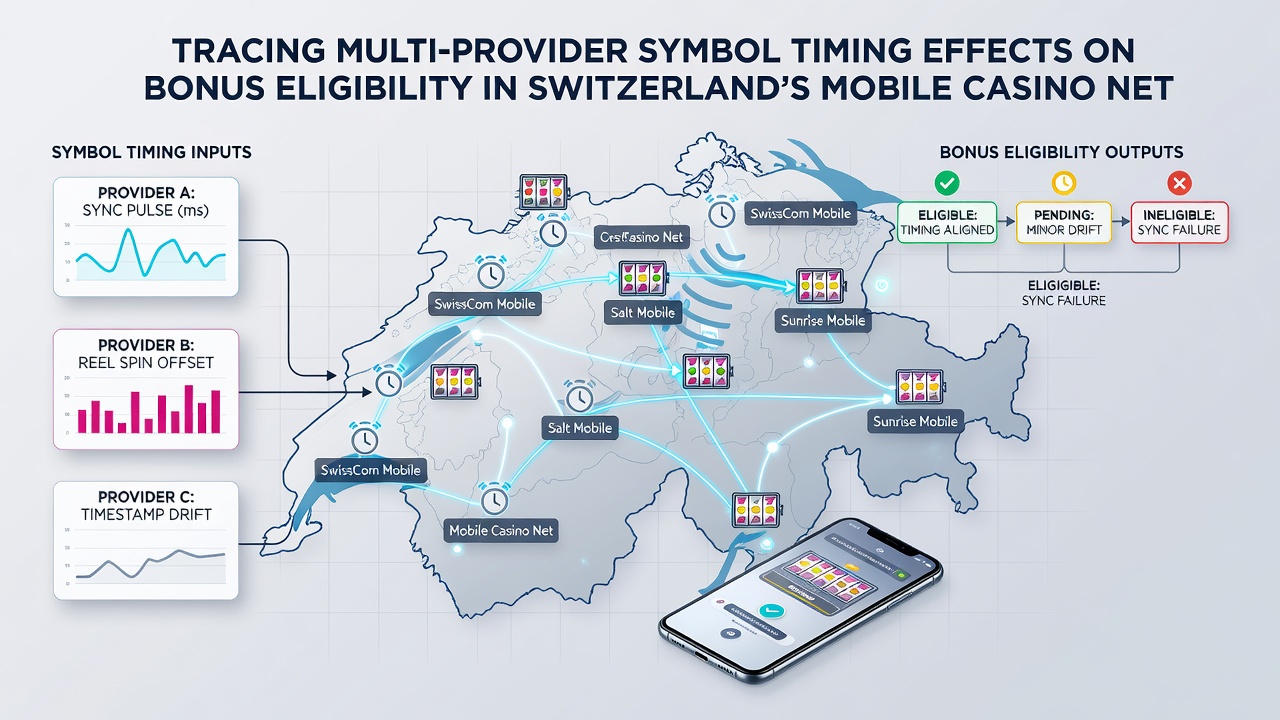
What's interesting is that hardware variations on player devices introduce additional jitter. Mobile chipsets from different manufacturers process the same game code at slightly different clock speeds, and this compounds the studio-level timing differences already present in the network.
Data Patterns Observed in 2026
Analysis of aggregated session data from Swiss operators indicates that bonus activation rates peak during periods when three or more providers refresh their reel cycles within a 200-millisecond window. Outside those windows the probability of forming an eligible combination drops measurably. One industry report compiled by the European Gaming and Betting Association documented similar timing sensitivities in cross-border mobile integrations, confirming that the phenomenon is not unique to Swiss networks.
Operators have begun publishing timing transparency reports that list average reel-cycle offsets for each integrated studio. These reports allow players to see which combinations of titles produce the narrowest or widest eligibility windows on any given day.
Technical Adjustments Implemented by Studios
Studios have adjusted their random number generator seeds to include network-supplied timestamps, and this change has narrowed teh variance between expected and actual symbol landing times. According to technical documentation shared among licensed providers, the adjustment reduced average timing drift from 38 milliseconds to 11 milliseconds across tested devices. The modification maintains regulatory randomness requirements while aligning reel outcomes more closely with network expectations.
Conclusion
Multi-provider symbol timing effects continue to shape bonus eligibility mechanics inside Switzerland's mobile casino networks. Regulatory oversight, network synchronization protocols, and studio-level adjustments each address different layers of the timing chain. Data gathered through July 2026 demonstrates measurable impacts on player outcomes when these layers interact, and ongoing documentation efforts provide transparency into how the system functions across integrated game libraries.