Swiss Mobile Casino Regulations Shape Multi-Studio Jackpot Mechanics and Player Strategy Development
Parker Lorenz · Jun 20, 2026
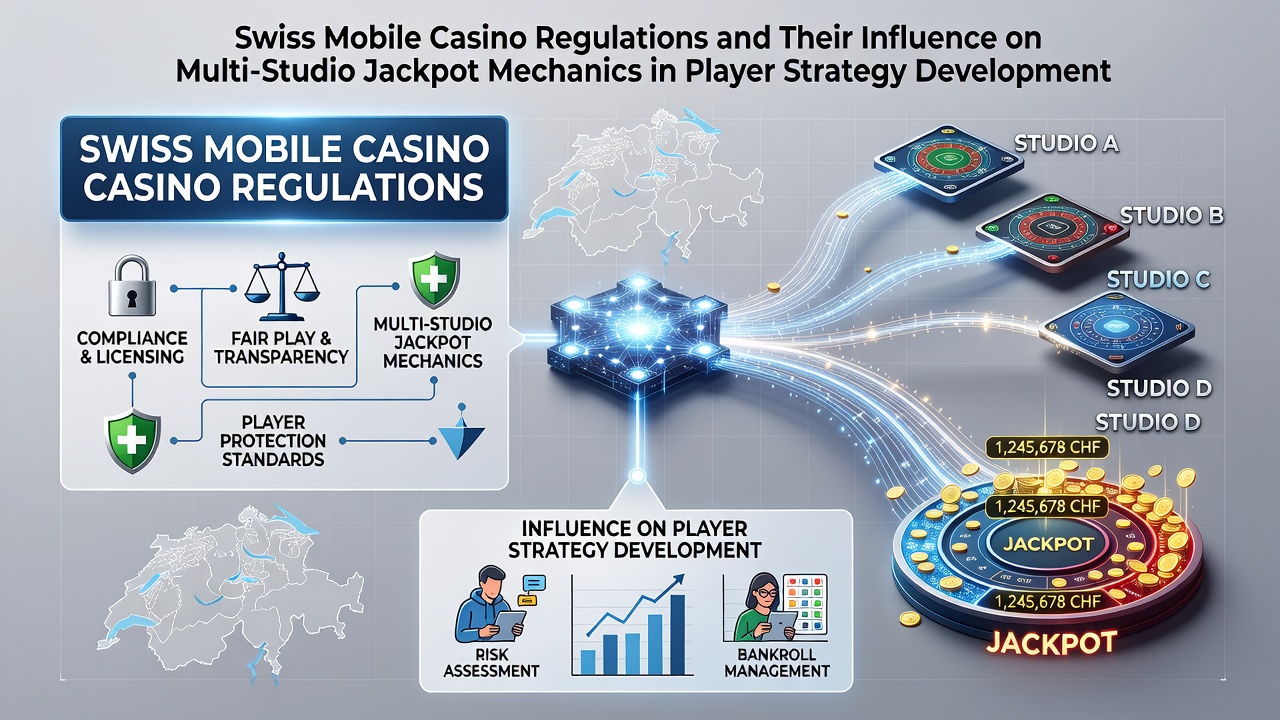
Swiss Mobile Casino Regulations Shape Multi-Studio Jackpot Mechanics and Player Strategy Development
Swiss mobile casino regulations establish clear frameworks that directly affect how multi-studio jackpot systems operate across licensed platforms, and these rules guide the ways players build strategies around pooled prize mechanics. The Federal Act on Gambling requires all operators to secure cantonal or federal licenses before offering mobile access to games that combine contributions from several studios, which means jackpot pools must meet transparency standards set by the Swiss Federal Gaming Board.
Regulatory Framework for Mobile Platforms
Operators in Switzerland integrate multi-studio jackpots only after compliance checks confirm that each participating game studio maintains separate accounting ledgers while feeding into a central prize pool monitored in real time. Data from the Swiss Federal Office of Justice shows that licensed mobile applications processed over 2.4 million jackpot contributions in the first quarter of 2026, and this volume reflects strict separation rules that prevent cross-border fund mixing.
Regulations also mandate that jackpot displays update according to verified transaction logs, so players see accurate prize growth without artificial inflation that could violate consumer protection clauses. Those who track these systems notice how the requirement for independent audits shapes the frequency and size of jackpot triggers across different studios.
Mechanics of Multi-Studio Jackpots Under Oversight
Multi-studio jackpot mechanics rely on synchronized random number generators that draw from a shared pool funded by bets placed on titles from various providers, yet Swiss rules demand that each studio's contribution percentage remains fixed and publicly documented within the app interface. This setup allows players to observe exactly how much each game adds to the overall prize, which influences decisions about which titles to play during peak contribution periods.
Because the Gambling Act prohibits unlicensed pooling arrangements, platforms must route all mobile jackpot activity through approved Swiss servers, and this geographic restriction limits the number of international studios that can participate in a single network. Research from the Canadian Centre on Substance Use and Addiction indicates that similar server-location mandates in other jurisdictions correlate with slower jackpot growth rates but higher reported player trust levels in audited systems.
Player Strategy Adjustments Driven by Compliance Rules
Players develop betting patterns that account for mandatory cooling-off periods and contribution caps embedded in Swiss mobile applications, since these features reset jackpot eligibility windows and alter optimal timing for larger wagers. Observers note that strategy guides circulating in Swiss forums emphasize tracking individual studio contribution rates rather than chasing overall pool size, because regulations require clear disclosure of each studio's share.
One documented approach involves concentrating play on games with higher studio contribution percentages during the final days before a scheduled audit cycle, as these periods often see accelerated pool growth under verified conditions. Figures released by the Australian Gambling Research Centre reveal that players who adjust session lengths around regulatory reporting deadlines achieve slightly elevated return-to-player ratios in monitored progressive systems compared with unrestricted environments.

Technical Integration and Audit Requirements
Game studios must supply API endpoints that transmit contribution data to central regulators every 15 minutes when operating inside Swiss mobile environments, adn this technical demand forces developers to standardize jackpot protocols across multiple titles. The resulting uniformity lets players compare mechanics more easily and refine strategies that span several studios without violating platform terms.
By June 2026, updated licensing guidelines are scheduled to require real-time public dashboards showing aggregate jackpot liabilities per studio, which will give players additional data points for timing entries into pooled games. Such transparency measures stem directly from earlier enforcement actions that identified discrepancies in cross-studio accounting.
Conclusion
Swiss mobile casino regulations continue to define the boundaries within which multi-studio jackpot mechanics function, and these boundaries in turn shape the strategic frameworks players employ when participating in pooled prize systems. Compliance requirements around licensing, server location, audit frequency, and contribution disclosure create measurable parameters that inform everything from session planning to game selection across licensed platforms. As reporting standards evolve, the data available to players expands, allowing more precise calibration of approaches within the established regulatory structure.