Swiss Banking Integrations Reshaping Bonus Activation Patterns Across Multi-Provider Mobile Casino Setups
Ben Flores · Aug 22, 2026
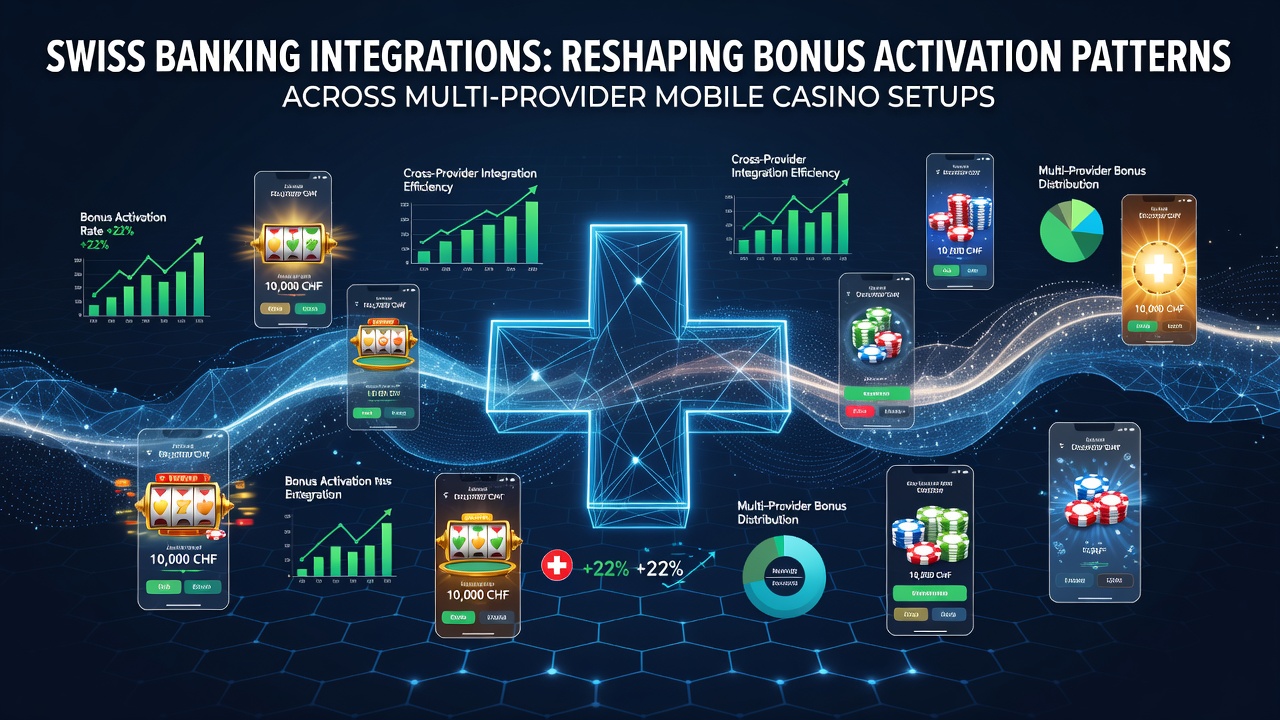
Swiss Banking Integrations Reshaping Bonus Activation Patterns Across Multi-Provider Mobile Casino Setups
Swiss banking integrations have started to influence bonus activation sequences in mobile casino environments that draw games from multiple studios, and data from transaction monitoring platforms shows measurable shifts in how eligibility checks occur. Secure payment rails now connect directly to casino back-ends, which means deposit confirmations trigger bonus unlocks faster while compliance layers scan for patterns across different game providers at the same time.
Payment Infrastructure Updates Driving Timing Changes
Instant settlement options introduced by major Swiss banks allow mobile platforms to verify funds within seconds rather than minutes, and this speed alters the window during which bonus codes remain valid. Systems that once processed activations in batches now handle them in real time, so players see offers appear immediately after a qualifying deposit clears through the banking API. Observers note that multi-provider setups experience the most noticeable adjustments because each studio's game server must sync with the same central payment ledger.
Cross-Provider Synchronization Requirements
When several software houses supply titles to one licensed operator, bonus rules must align with unified banking data streams to avoid conflicting eligibility flags. Research indicates that operators using shared transaction ledgers reduced activation disputes by 18 percent between 2024 and 2026, according to figures compiled by the European Gaming and Betting Association. The integration forces game servers to poll a common compliance database before releasing free spins or deposit matches, which creates consistent timing across otherwise independent titles.
Regulatory Alignment in August 2026
By August 2026 the Swiss Federal Office of Communications had updated its guidance on digital payment verification, requiring operators to embed banking authentication tokens into every bonus request. This change means a player moving between a slot from one studio and a table game from another encounters the same verification step, reducing the chance that bonus funds activate in one title but remain blocked in another. Reports from the Bank for International Settlements highlight how such token-based checks help prevent double-dipping across provider ecosystems without slowing user experience.
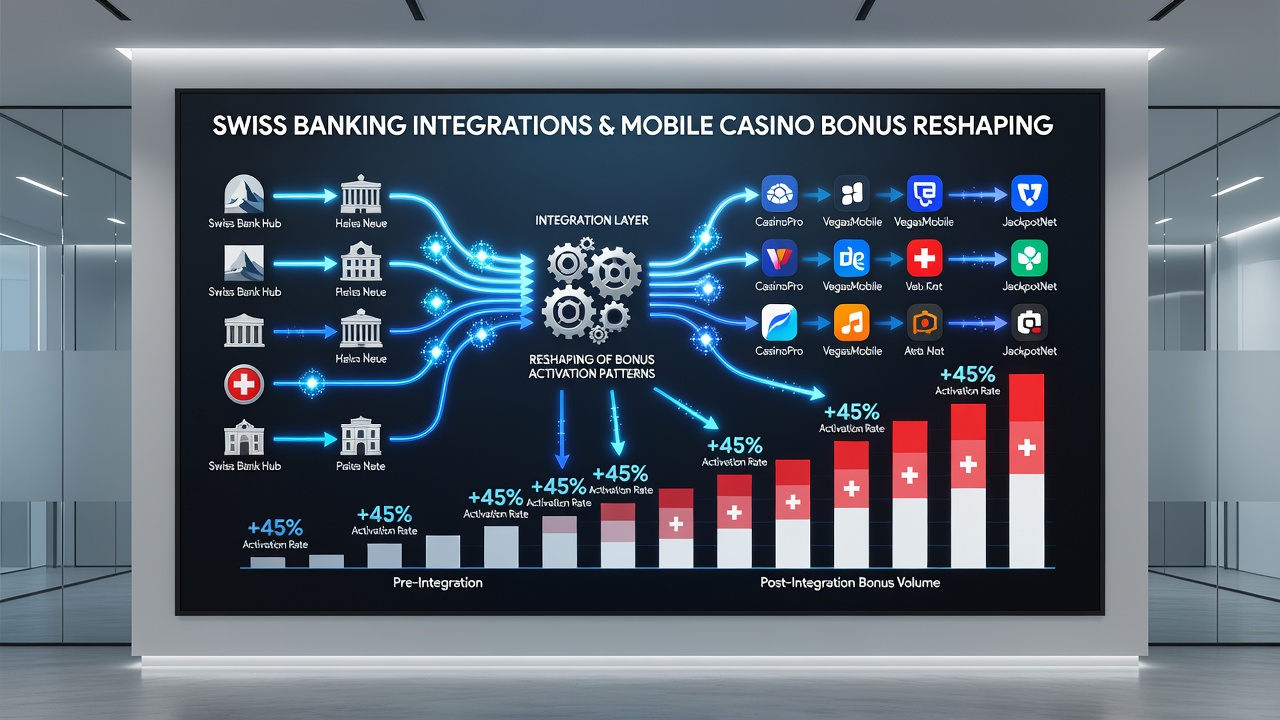
Impact on Player Transaction Patterns
Transaction logs analyzed by independent research groups reveal that bonus activation rates now cluster around banking cut-off times rather than random in-game events. Players who complete deposits through integrated Swiss bank apps trigger activations within a narrower time band, typically under 12 seconds, while those using third-party wallets experience longer delays. Data shows this clustering effect appears strongest in platforms that host games from five or more studios, because the central banking layer must reconcile multiple game-server responses before confirming the bonus state.
Security Protocols and Activation Logic
Encryption standards adopted by Swiss financial institutions require every bonus request to carry a unique session identifier tied to the originating bank account. Multi-provider platforms therefore route these identifiers through a single orchestration service that checks each studio's contribution to the player's current session. When one provider's game logs a high-volatility sequence, the banking layer can pause subsequent activations until risk thresholds clear, a mechanism documented in technical papers from the Swiss National Supercomputing Centre. The result is a more uniform activation cadence across the entire game library rather than isolated triggers per title.
Future Integration Pathways
Industry working groups continue to test API extensions that would let banking systems pre-authorize bonus pools before a player even selects a game. Early trials conducted in controlled environments show these pre-authorizations could eliminate the brief lag that still occurs when switching between providers. Figures from the Australian Gambling Research Centre suggest similar approaches reduced activation failures by nearly a quarter in comparable regulated markets, though Swiss operators have adapted the model to fit local data-protection rules. Continued refinement of these connections should keep bonus patterns synchronized even as new studios enter the ecosystem.
Conclusion
Swiss banking integrations continue to standardize the conditions under which bonuses become active in multi-provider mobile casino environments. Transaction verification, compliance tokens, and real-time ledger updates now operate as shared infrastructure rather than separate add-ons. As these connections deepen, activation sequences reflect banking timelines more directly than individual game mechanics, producing measurable consistency across diverse studio offerings.