Regional Licensing Nuances Reshaping Symbol Probability Layers Across Global Game Studios in European Casino Apps
Lars Hansen · Jul 30, 2026
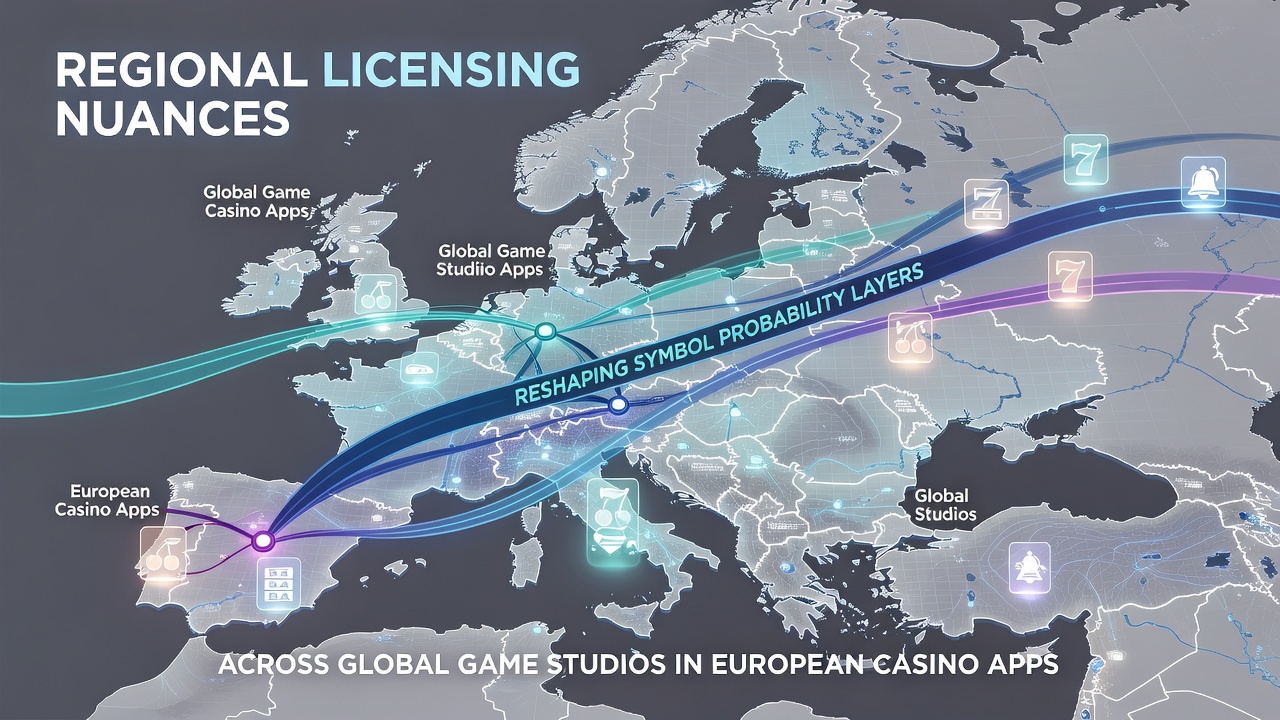
Regional Licensing Nuances Reshaping Symbol Probability Layers Across Global Game Studios in European Casino Apps
Regional licensing requirements across Europe continue to influence how game studios configure symbol probability layers in casino applications, with each jurisdiction imposing distinct technical parameters that affect reel outcomes and random number generation sequences. Studios operating in multiple markets must adapt core mechanics such as symbol weighting, hit frequencies, and bonus trigger rates to align with local compliance frameworks while maintaining consistent player experiences across platforms.
European Regulatory Variations and Their Technical Impacts
Countries maintain separate oversight bodies that evaluate game fairness through specific testing protocols, which in turn dictate adjustments to probability distributions for individual symbols and combinations. In Malta, for instance, the gaming authority requires detailed documentation of symbol occurrence rates during certification processes, prompting studios to recalibrate layers for titles distributed within that market. German regulations, updated through state-level implementations, introduce additional constraints on volatility profiles that studios address by modifying base game symbol densities in ways that differ from approaches used elsewhere.
Observers note that these differences create layered development pipelines where a single title undergoes multiple iterations before regional releases, each version featuring unique probability tables that comply with jurisdiction-specific rules. Data from industry reports indicates that such adaptations occur routinely as studios prepare titles for broader European distribution, with changes often centered on high-value symbols and their placement frequencies across reels.
Studio Adaptation Strategies in Multi-Market Environments
Global development teams employ modular probability systems that allow rapid reconfiguration of symbol behaviors without rebuilding entire games from scratch. This approach enables efficient responses to licensing audits while preserving the underlying game architecture that players encounter in different applications. Research conducted by European gaming associations shows that collaborative frameworks among studios have led to shared libraries of compliant symbol sets, reducing redundancy in testing phases across borders.

One documented case involved a major studio adjusting scatter symbol probabilities in a popular slot title to satisfy Dutch market requirements introduced in recent years, resulting in recalibrated bonus activation thresholds that differed from versions released in southern European countries. Similar adjustments appear in titles targeting Nordic markets, where emphasis on lower variance outcomes influences how wild symbols integrate into probability calculations.
Developments Anticipated for Mid-2026
Regulatory updates scheduled for July 2026 in select European territories are expected to introduce further specifications around symbol timing coordination and multi-layer RNG verification, requiring studios to refine existing configurations ahead of implementation deadlines. These forthcoming changes build on current frameworks by adding emphasis on transparency in probability reporting, which affects how global teams document and adjust reel mechanics for cross-border compatibility.
Industry organizations such as the European Gaming and Betting Association have published guidance outlining best practices for studios navigating these evolving standards, highlighting the need for flexible probability architectures that accommodate regional nuances without compromising game integrity. Academic studies from institutions examining digital gaming ecosystems further illustrate patterns in how licensing variations drive incremental modifications to symbol layers over time.
Cross-Border Collaboration Among Development Teams
Teams from different studios increasingly share insights on probability modeling through industry forums and joint working groups, which helps standardize certain compliance elements while respecting local distinctions. This cooperation has produced documented efficiencies in certification timelines, as shared testing methodologies allow quicker validation of adjusted symbol distributions across multiple jurisdictions.
Figures from recent analyses reveal that titles undergoing such regional tailoring often feature expanded configuration options embedded in their codebases, enabling operators to select market-appropriate probability profiles during deployment. Those involved in these processes observe that the technical overhead remains manageable when studios prioritize modular designs from the initial development stages.
Conclusion
Regional licensing nuances continue to drive targeted modifications to symbol probability layers in European casino applications, shaping how global studios structure their development and release cycles. As markets evolve with scheduled updates in July 2026 and beyond, these adaptations remain central to ensuring compliance while supporting consistent game performance across diverse regulatory landscapes.