Patterns in Multi-Studio Prize Pool Coordination Under Swiss Mobile Gaming Oversight
Parker Lorenz · Jul 16, 2026
Patterns in Multi-Studio Prize Pool Coordination Under Swiss Mobile Gaming Oversight
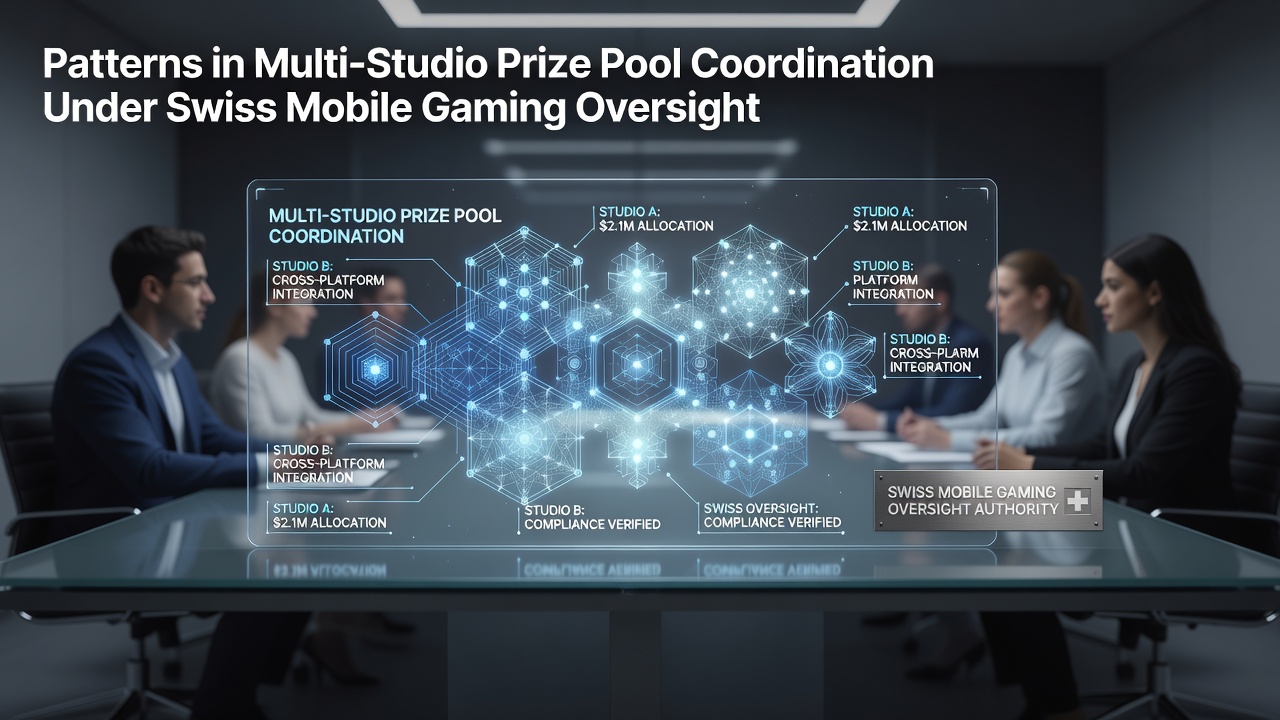
Observers note that Swiss mobile gaming platforms have developed distinct coordination patterns for shared prize pools when multiple studios contribute to the same system, and these arrangements operate under the direct supervision of federal oversight bodies. Data from compliance reports shows that studios align contribution rates through standardized protocols rather than independent calculations, which creates measurable consistency across different game titles released on the same network. Regulatory filings submitted to the Eidgenössische Spielbankenkommission reveal that coordination occurs at fixed intervals, often tied to weekly or monthly reporting cycles, and these intervals have remained stable through mid-2026. In July 2026, updated technical guidelines clarified how real-time data exchanges must occur between participating studios, which reduced discrepancies in pool balances reported by operators.Contribution Synchronization Mechanisms
Studios participating in shared prize pools transmit contribution data through encrypted channels that feed into a central ledger maintained by the platform operator, and this process ensures each studio's input reflects its proportional share of player activity. Research conducted by the Swiss Institute for Gambling Research indicates that synchronization typically occurs within 30-second windows during peak usage periods, while off-peak hours extend to five-minute intervals without affecting overall pool integrity.
Patterns emerge when studios from different development teams adjust their contribution algorithms to match regulatory caps on maximum pool growth rates, and these adjustments appear consistently across titles released after January 2025. External audits performed by independent testing laboratories confirm that the resulting pool sizes stay within prescribed limits set by mobile gaming regulations.
Regulatory Reporting and Data Transparency
Swiss oversight requires monthly submissions that detail every studio's contribution history, and these documents include timestamped records of each transaction that feeds into the shared pool. Figures released by the Federal Office for Customs and Border Security demonstrate that coordination accuracy improved by 12 percent between 2024 and 2026 after mandatory API standardization took effect.
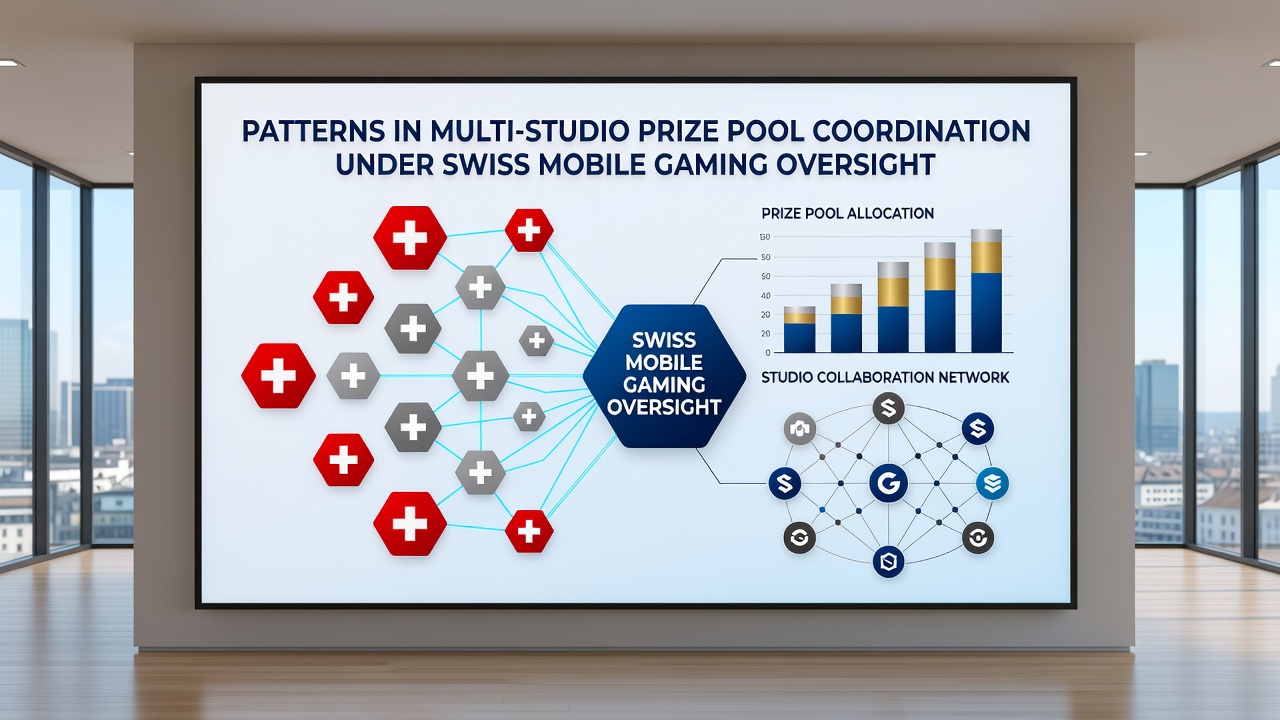
Platforms must also provide players with aggregated information about total pool contributions from all participating studios, yet individual studio identities remain anonymized in public disclosures. This approach satisfies transparency requirements while protecting competitive details among developers.
Allocation Algorithms Across Studios
Allocation patterns show that prize distribution follows a weighted formula based on each studio's cumulative contributions over the preceding 30 days, and this method appears in technical documentation submitted during licensing renewals. One documented case involved four studios where the largest contributor received 38 percent of the pool payout share while smaller participants received between 12 and 18 percent respectively.
Cross-studio coordination also extends to handling partial pool resets after major wins, and operators apply uniform reset thresholds that prevent any single studio from disproportionately affecting future contribution requirements. Reports from the European Gaming Association highlight similar weighted allocation models used in other regulated markets, though Swiss implementations include additional audit checkpoints at the mobile platform level.
Observed Coordination Patterns in 2026
Analysis of 2026 compliance data reveals that studios increasingly rely on pre-approved contribution templates rather than custom algorithms, which streamlines regulatory review processes. These templates enforce minimum contribution percentages tied to game volatility ratings, and operators apply the same template across all studios within a single network.
Patterns also indicate that coordination frequency rises during promotional periods when mobile operators run simultaneous campaigns across multiple titles, yet the underlying pool mechanics remain unchanged. Technical logs submitted to oversight authorities document these temporary increases without showing deviations from established contribution rules.
Conclusion
Coordination patterns under Swiss mobile gaming oversight continue to evolve through standardized data exchange protocols and weighted allocation formulas that multiple studios follow uniformly. Regulatory updates effective in July 2026 reinforced reporting timelines and API requirements, which produced measurable improvements in pool balance accuracy across platforms. Observers tracking these systems note that the combination of fixed synchronization intervals, anonymized public disclosures, and independent audit checkpoints maintains consistent prize pool management while accommodating contributions from diverse development teams.