Market Adaptation Strategies Employed by Game Developers for Switzerland's Regulated Handheld Gambling Scene
Ben Flores · Aug 18, 2026
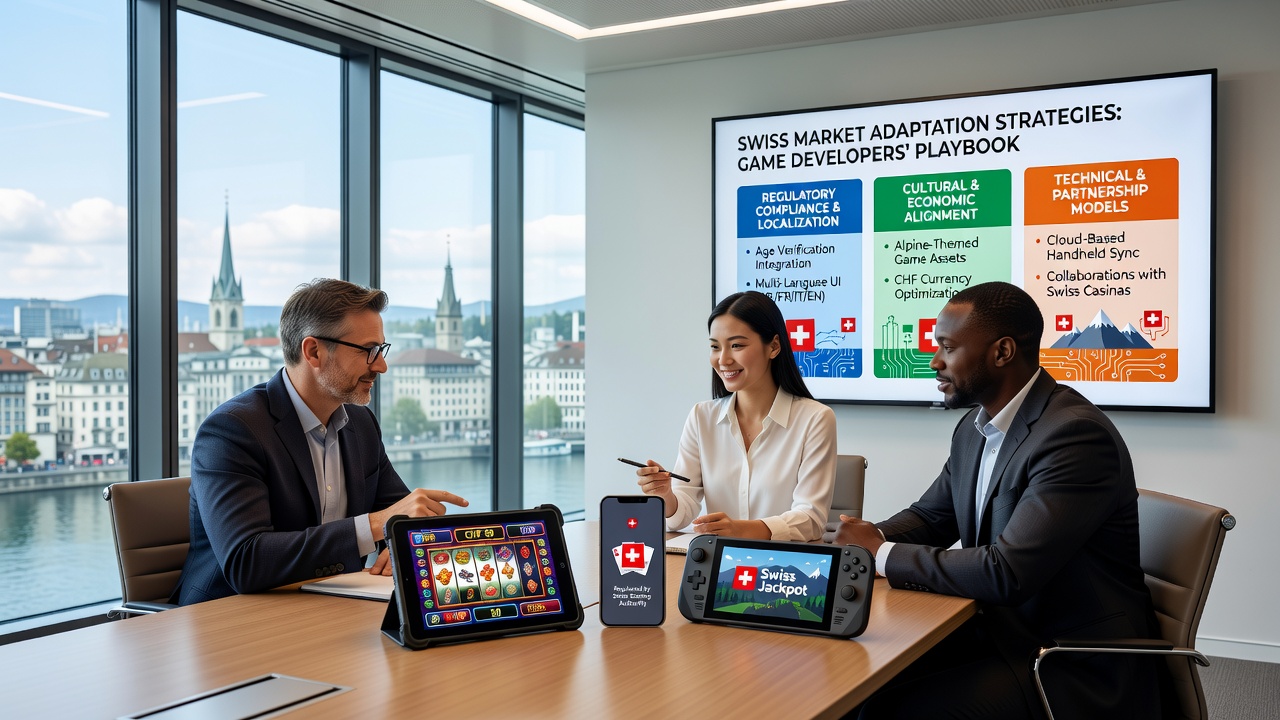
Market Adaptation Strategies Employed by Game Developers for Switzerland's Regulated Handheld Gambling Scene
Game developers have adjusted their production pipelines to align with Switzerland's federal and cantonal oversight of handheld gambling platforms, where licensing demands emphasize player protection alongside technical reliability across mobile networks.
Regulatory Alignment in Development Cycles
Developers integrate compliance checks at multiple stages of game creation, reviewing each title against the Intercantonal Agreement on Gambling to ensure features like session limits and self-exclusion tools function consistently on smartphones and tablets; data from the Swiss Federal Gaming Board shows that titles passing these reviews reached licensed operators at higher rates during 2025 testing periods.
Teams coordinate with local licensees to embed age verification protocols that connect directly to Swiss identity databases, reducing onboarding friction while meeting legal thresholds that went into full effect across multiple cantons.
Technical Adjustments for Handheld Environments
Optimization for variable mobile connections forms a core focus, with studios implementing adaptive streaming that maintains game integrity during network fluctuations common in Swiss alpine regions; according to figures from the European Gaming Association, such modifications improved session stability by measurable margins in controlled trials conducted through mid-2025.
Developers also calibrate reel mechanics and bonus triggers to run efficiently on devices with limited processing power, ensuring that handheld users experience the same outcome probabilities as desktop players without requiring constant software updates.
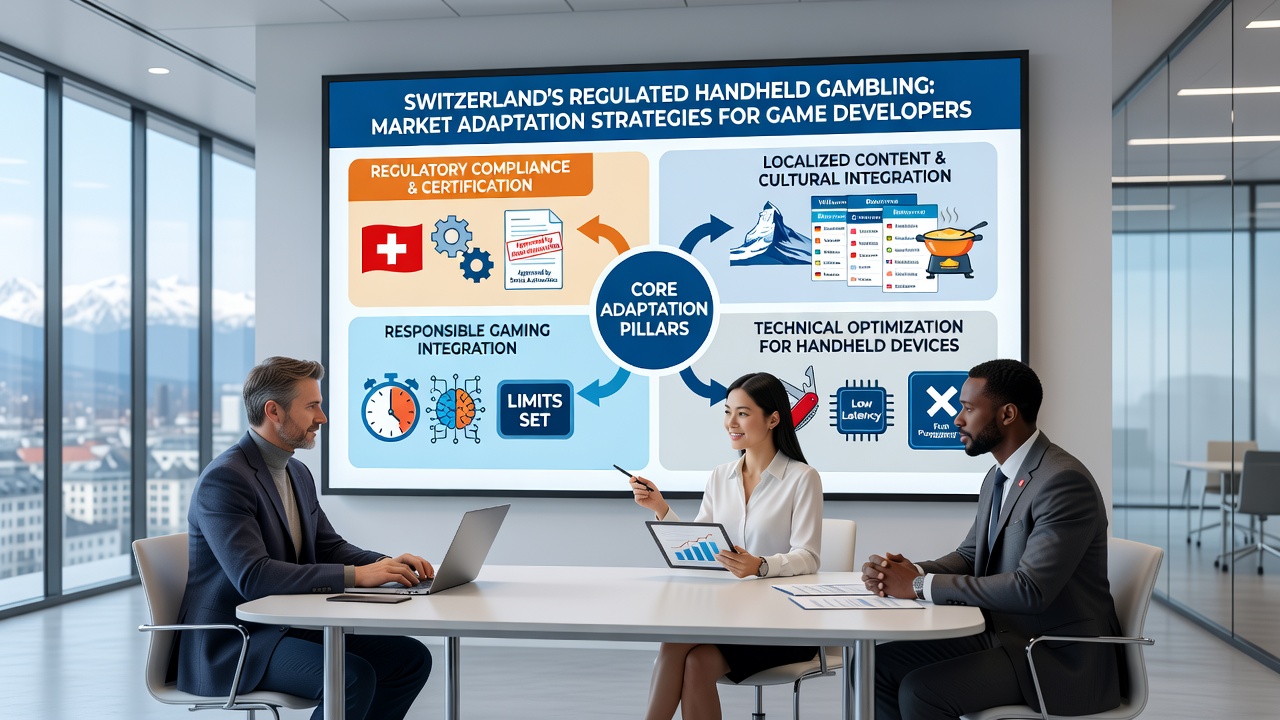
Localization Across Language Regions
Studios prepare multilingual assets covering German, French, and Italian interfaces from the outset, embedding region-specific terminology that reflects cantonal preferences while preserving uniform gameplay rules; research published by the University of Zurich gaming studies group indicates that localized interfaces correlate with extended play sessions among Swiss residents.
Visual and audio elements receive adjustments for cultural resonance, such as incorporating neutral symbols that avoid conflicts with local advertising standards, yet these changes occur without altering core random number generation processes that must remain identical nationwide.
Payment System Integration and Security Protocols
Integration with domestic payment rails like TWINT and PostFinance occurs early in the design phase, allowing seamless deposits and withdrawals that comply with anti-money laundering directives enforced by Swiss authorities; one study released by the Canadian Centre for Gaming Research highlighted parallel strategies in other regulated markets where early payment embedding reduced transaction failures.
Encryption layers and real-time monitoring tools get built into handheld versions to flag unusual activity patterns, supporting the oversight requirements that operators must demonstrate during annual audits.
Market Data and Adjustments Around August 2026
Industry observers note that several developers began preparing updated responsible gambling dashboards ahead of August 2026, when revised federal guidelines on player tracking are scheduled to take effect; these dashboards track metrics like deposit frequency and time spent without interrupting core gameplay loops.
Market reports compiled through 2025 reveal steady growth in licensed handheld titles, prompting studios to allocate resources toward modular codebases that permit quick swaps of compliance modules as new cantonal rules emerge.
Conclusion
Game developers continue refining these adaptation approaches to sustain presence within Switzerland's structured handheld gambling sector, focusing on technical, linguistic, and procedural modifications that satisfy regulatory demands while supporting operational continuity across licensed platforms.