Interface Choices in Swiss Mobile Casinos and Their Influence on How Players Approach Bonus Features from Multiple Studios
Ben Flores · Aug 20, 2026
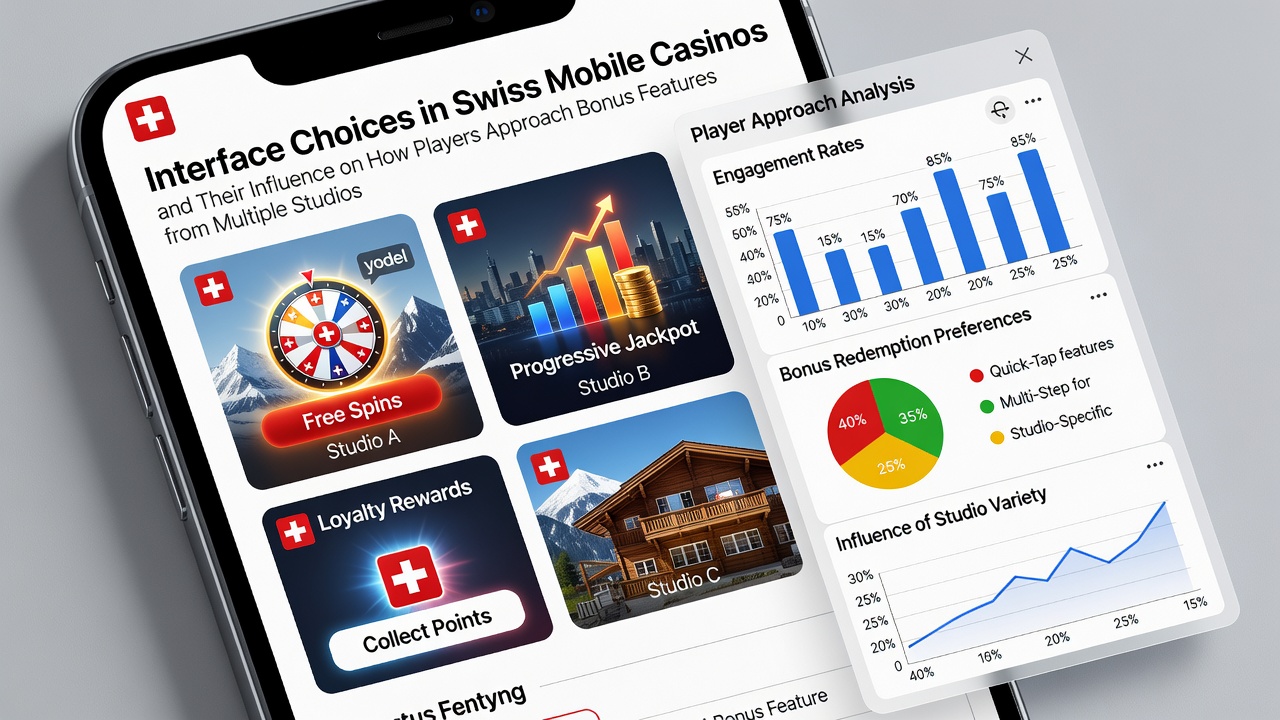
Interface Choices in Swiss Mobile Casinos and Their Influence on How Players Approach Bonus Features from Multiple Studios
Swiss mobile casino platforms operate under strict licensing requirements that shape how interface elements are structured, and these design decisions directly affect the way players locate, activate, and sequence bonus features supplied by multiple independent game studios. Interface layouts determine button placement, gesture controls, and information density, while players navigate between titles from different providers that each maintain distinct bonus mechanics and visual cues.
Core Interface Elements in Regulated Swiss Mobile Environments
Touch-optimized controls remain central to Swiss-licensed applications, and developers position bonus activation zones in consistent screen areas to comply with clarity standards set by oversight bodies. Swipe gestures often trigger free-spin rounds or multiplier selections, whereas tap-based menus allow access to studio-specific paytables without leaving the main game screen. Data collected through platform analytics in August 2026 indicated that standardized navigation bars reduced the average time required to switch between bonus interfaces from separate studios by measurable margins.
Color-coded indicators and progress trackers appear across many titles to signal eligibility for layered bonuses, yet the implementation varies when providers integrate their own symbol systems into a shared mobile shell. Players encounter persistent side panels that display accumulated bonus progress from multiple sources, and this arrangement supports simultaneous monitoring of features that originate from separate development teams.
Navigation Patterns Across Studio Libraries
Multi-studio libraries require players to move fluidly between interfaces that retain individual branding while adhering to overarching platform rules. Quick-access tabs or expandable drawers present bonus histories and active promotions, allowing users to review eligibility criteria without disrupting ongoing spins. Research from European gaming studies shows that such consolidated views correlate with higher engagement rates for cross-studio bonus combinations compared to fragmented menu structures.
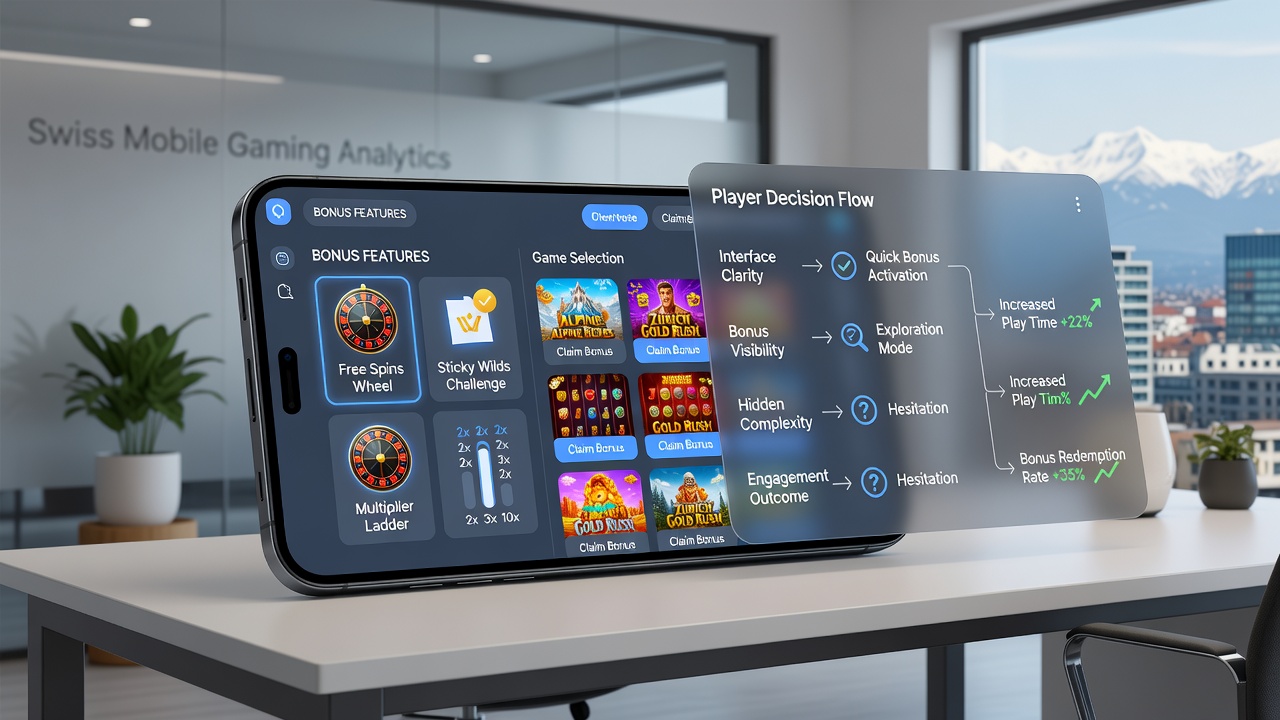
Gesture consistency plays a notable role when players shift from one studio's bonus round to another's, since mismatched swipe directions or confirmation prompts can interrupt sequences. Platforms that enforce uniform gesture libraries across providers report smoother transitions, and figures from industry reports reveal fewer session interruptions in those environments. In August 2026 several operators updated their gesture mapping protocols to align with revised accessibility directives, which in turn influenced how quickly users initiated stacked bonus features.
Information Architecture and Bonus Discovery
Information architecture decisions determine whether bonus details appear inline during gameplay or require navigation to secondary screens. Inline tooltips that expand on hover or long-press actions provide immediate explanations of studio-specific rules, whereas modal windows consolidate terms from several providers into single views. Observers have documented that platforms favoring inline cues experience different interaction frequencies, particularly when players evaluate multiple bonus options before committing spins.
Search and filter functions within the casino lobby further shape discovery paths, and filters that isolate titles by bonus type or studio allow targeted exploration. Those who've studied user logs note that players frequently combine these filters with interface previews to compare activation mechanics before selecting games. External data from the Swiss Federal Gaming Board highlights how regulatory emphasis on transparent disclosure has prompted clearer labeling of bonus triggers across all licensed interfaces.
Adaptive Elements and Cross-Device Consistency
Adaptive scaling ensures that bonus buttons and status indicators remain accessible across phone sizes and orientations, and this technical choice affects the precision with which players select among competing studio offers. Portrait mode often prioritizes vertical bonus progress bars, while landscape layouts distribute information horizontally to accommodate simultaneous display of multiple active features. Canadian regulatory analyses of mobile gaming interfaces indicate that consistent scaling across devices supports steadier participation patterns in bonus-driven play.
Notification systems integrated into the interface alert users when a bonus from one studio becomes available alongside another, and customizable alert preferences let players manage interruptions. Such systems operate within the constraints of Swiss data-protection rules, which limit how much personal activity data can influence notification timing.
Conclusion
Interface choices in Swiss mobile casinos continue to evolve under regulatory guidance and technical constraints, and these choices collectively guide how players identify, compare, and engage with bonus features supplied by diverse game studios. Standardized navigation, gesture consistency, and clear information placement remain central factors that influence interaction sequences without altering the underlying mechanics of any single provider. Continued monitoring of platform data will clarify how further refinements affect player approaches to multi-studio bonus ecosystems.