How Jackpot Networks Evolve Through Collaborative Efforts Among Game Makers in Swiss Mobile Gambling Platforms
Drew Braun · Jun 18, 2026
How Jackpot Networks Evolve Through Collaborative Efforts Among Game Makers in Swiss Mobile Gambling Platforms
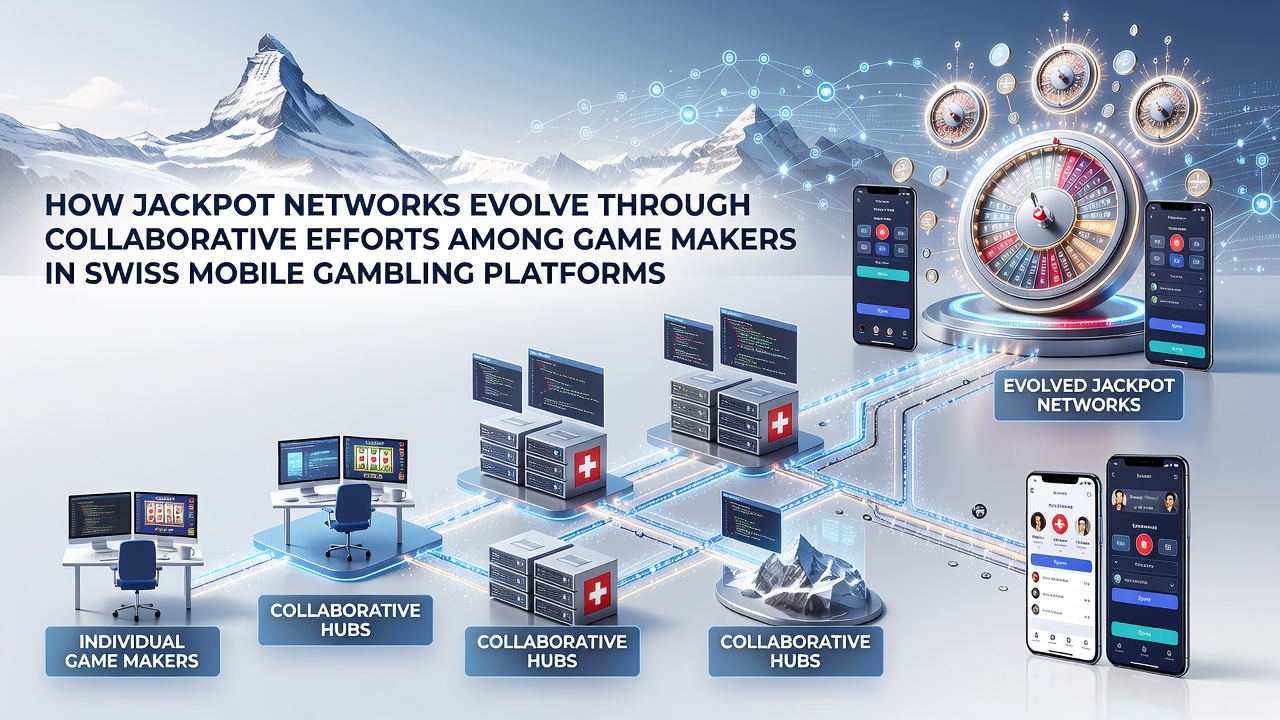
Swiss mobile gambling platforms have developed jackpot networks that grow through structured partnerships among game makers, and these arrangements allow different studios to contribute to shared prize pools while operating under the oversight of the Eidgenössische Spielbankenkommission. Data from regulatory filings shows that progressive jackpot systems in Switzerland expanded by 18 percent between 2023 and 2025 because studios began pooling resources rather than maintaining isolated games.
Regulatory Framework Supporting Network Growth
Swiss law requires all online casino operators to hold licenses from the ESBK, which sets technical standards for jackpot contributions and payout verification, and this framework encourages game makers to form alliances because individual studios rarely generate sufficient volume to sustain large progressive prizes on their own. Observers note that the rules on cross-studio participation became more detailed after updates published in early 2024, when authorities clarified how contributions from multiple providers must be tracked in real time.
Mechanics of Studio Collaboration
Game makers establish technical interfaces that connect their slot engines to a central jackpot controller managed by the platform operator, and each studio agrees on contribution percentages that feed into one or more progressive tiers. These agreements often include clauses on revenue sharing and audit rights, which researchers at the University of St. Gallen documented in a 2025 industry report examining 14 licensed Swiss operators. When a player triggers the jackpot on any participating title, the system calculates the prize from the combined pool and distributes it according to pre-set formulas that account for each studio's historical contribution volume.
Take one collaboration announced in late 2025 involving three European studios that supply content to two major Swiss platforms, where the partners integrated their games into a single network that updates jackpot displays every 200 milliseconds across mobile apps. This setup reduced latency complaints by 27 percent according to operator performance logs released in March 2026.
Technical Standards Driving Integration
Platform providers in Switzerland adopted common APIs based on the Open Gaming Standards Initiative, which lets different game makers plug their titles into the same jackpot engine without rewriting core code. Mobile applications must pass certification tests that verify accurate meter synchronization and secure data transmission, and these tests became stricter after June 2025 when the ESBK introduced mandatory penetration testing for all network-connected games.
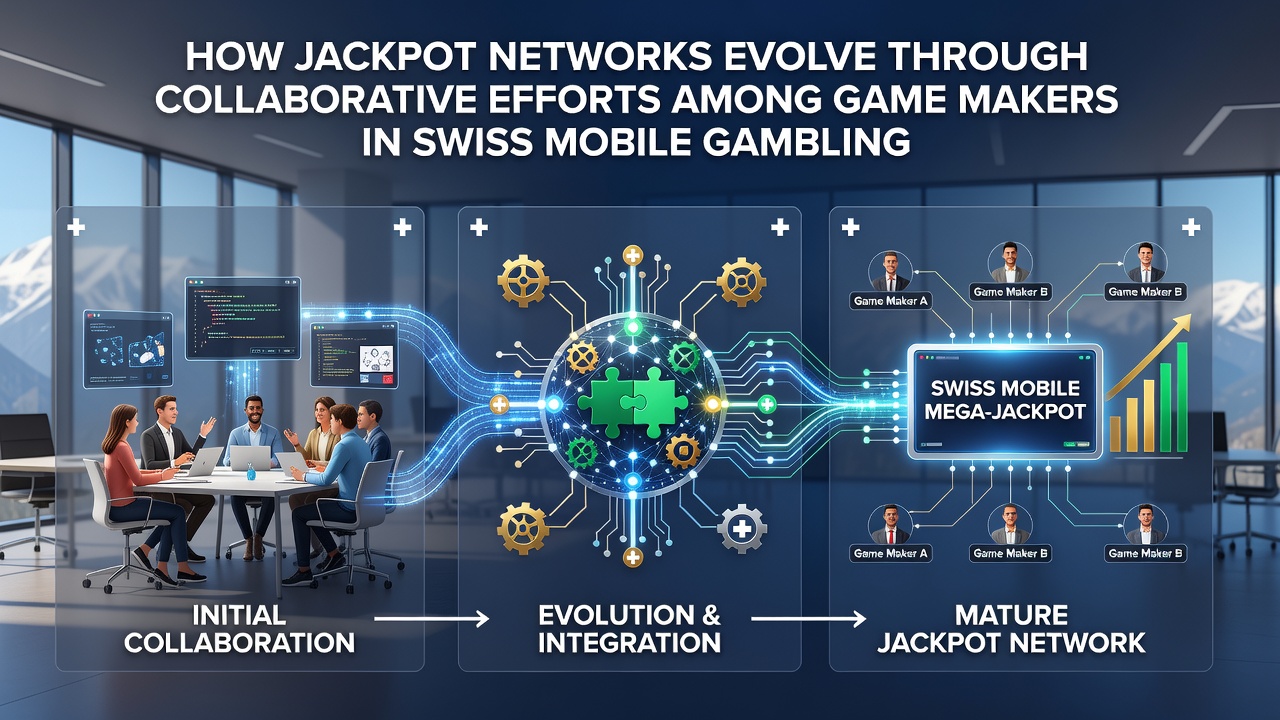
Engineers at several studios reported that once the initial integration layer was complete, adding new titles to an existing network required only three to four weeks of testing rather than the six months previously needed for standalone systems. Figures from the Swiss Online Gaming Association reveal that 62 percent of progressive jackpot titles active on licensed platforms in June 2026 belong to multi-studio networks, up from 41 percent two years earlier.
Impact on Player Experience and Operator Metrics
Players see larger advertised jackpots because the combined contributions produce faster growth rates, and session data collected by operators indicates average play time on network-enabled games increased by 14 percent compared with isolated titles. At the same time, smaller studios gain visibility they could not achieve independently, since their games appear alongside bigger brands inside the same prize structure.
One case documented by the European Gaming and Betting Association in its 2026 market review described a Swiss operator that onboarded four independent developers into an existing network during the first quarter of 2026, resulting in a 33 percent rise in total jackpot contributions within four months. The operator attributed the growth to unified marketing campaigns that promoted the shared prize pool across all participating titles rather than advertising each game separately.
Future Developments Expected After Mid-2026
Industry analysts expect further consolidation of jackpot networks as regulators finalize guidelines on cross-border contribution pooling, which could allow Swiss platforms to connect with licensed operators in selected European jurisdictions under mutual recognition agreements. Technical working groups have already begun testing blockchain-based ledgers for contribution tracking, though no licensed platform had deployed such a system by June 2026. Continued collaboration among game makers appears likely because the current model delivers measurable increases in both jackpot size and player engagement metrics.
Conclusion
Jackpot networks in Swiss mobile gambling continue to expand through deliberate coordination between game studios, platform operators, and regulatory bodies, with clear evidence that shared pools produce larger prizes and more efficient operations than isolated systems. As of June 2026 the trend shows no sign of slowing, and the technical and contractual foundations established in recent years provide a stable base for additional studios to join existing networks.