Demographic Trends Directing Configuration Choices for Prize and Reward Systems in Approved Portable Casino Games
Parker Lorenz · Aug 11, 2026
Demographic Trends Directing Configuration Choices for Prize and Reward Systems in Approved Portable Casino Games
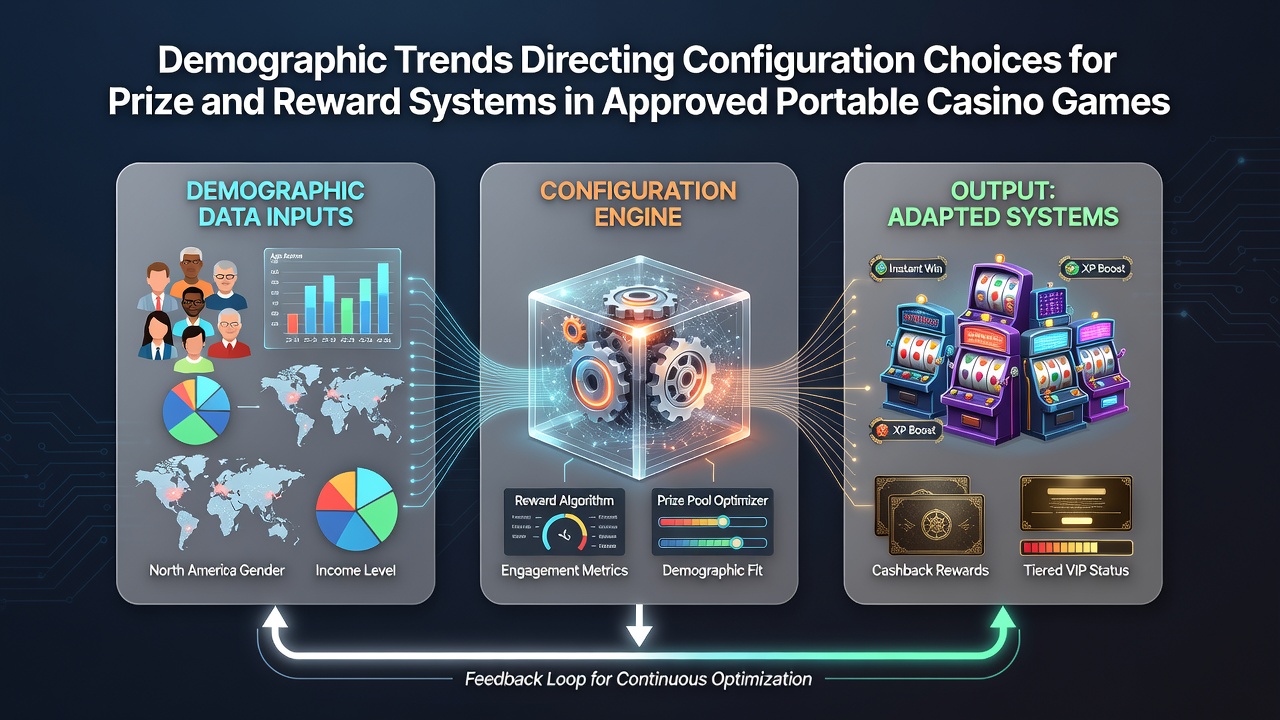
Demographic patterns across player bases continue to shape how operators configure prizes and rewards inside regulated mobile casino applications, with age brackets, gender distributions, and regional population shifts directing decisions on jackpot sizes, bonus frequencies, and loyalty structures. Data collected through player registration systems and transaction logs reveal consistent correlations between specific cohorts and preferred reward mechanics, prompting developers to adjust payout schedules accordingly in markets where portable gaming receives formal approval.
Age-Based Preferences in Reward Structures
Younger adults between 21 and 35 years old demonstrate higher engagement with frequent smaller rewards and progressive bonus rounds that unlock within short sessions, whereas players aged 45 and above show stronger retention when configurations emphasize larger, less frequent jackpots alongside tiered loyalty multipliers. Operators review anonymized session data to calibrate these elements, ensuring that games licensed for handheld use align prize escalation rates with observed play durations across each group. In August 2026, several regulatory filings highlighted how studios refined reel timing algorithms to accommodate these variances without altering overall return-to-player percentages mandated by licensing authorities.
Gender and Geographic Influences on Prize Design
Gender distributions within active user pools further direct configuration choices, as transaction records indicate that male-dominated segments often favor high-volatility prize pools while female segments correlate more closely with steady accumulation systems and social reward features integrated into mobile interfaces. Geographic factors add another layer, since urban populations in densely populated regions exhibit preferences for rapid reward cycling compared to rural cohorts that sustain longer sessions when reward systems incorporate extended play incentives. These patterns emerge from aggregated datasets submitted during compliance reviews, allowing providers to tailor symbol alignment sequences and bonus trigger probabilities for different approval jurisdictions.
Regulatory Data and Market Adjustments
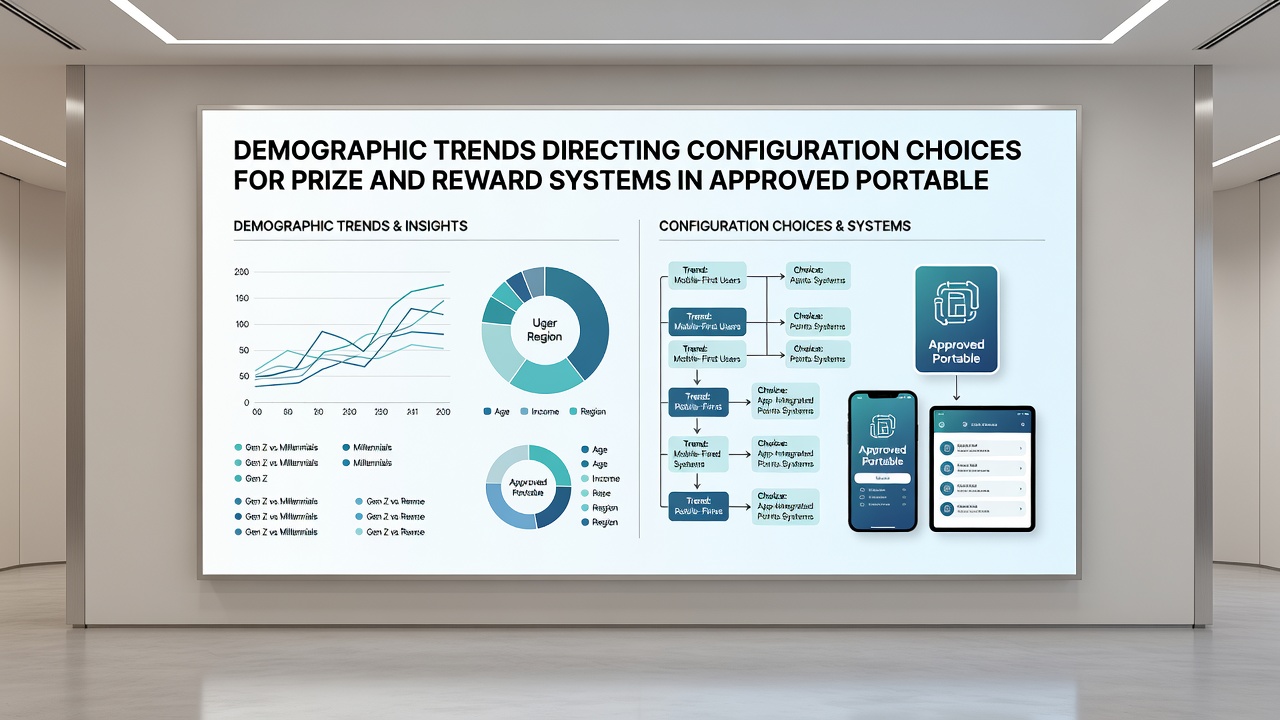
Regulatory bodies in North America and parts of Europe require periodic demographic reporting that feeds directly into prize system updates, with statistics from sources such as the National Council on Problem Gambling guiding operators toward balanced configurations that maintain approval status. Research conducted through academic partnerships, including studies from the University of Sydney's Gambling Research Unit, documents how population aging trends in certain territories prompt increased emphasis on reward systems that extend playtime through accumulated points rather than immediate cashouts. Providers respond by modifying multi-studio jackpot networks to reflect these shifts while preserving fairness metrics verified through third-party testing laboratories.
Emerging Cohort Impacts on Configuration Strategies
Newer cohorts entering the market, particularly those aged 18 to 24 in regions with recent legalization, accelerate adoption of hybrid reward models that blend instant micro-bonuses with long-term prize pool contributions, according to figures released in industry association reports. Observers note that these adjustments occur through iterative testing phases where demographic filters applied to beta data determine final parameters for approved titles. Population migration patterns between countries also influence cross-border game libraries, since operators serving multiple jurisdictions must synchronize reward frequencies to match the dominant player profiles in each approved territory.
Integration of Loyalty and Prize Mechanisms
Loyalty program structures undergo parallel revisions when demographic data reveals changing household income levels or device usage habits among core audiences, leading developers to introduce reward tiers that scale wth verified play history rather than fixed thresholds. Those who analyze transaction volumes across mobile platforms report that such modifications sustain engagement metrics without violating spending caps enforced by regulatory frameworks in various markets. The process involves continuous monitoring of cohort-specific behaviors, allowing configuration teams to recalibrate jackpot contributions and bonus activation rates as population profiles evolve over successive quarters.
Conclusion
Demographic trends supply the primary input for prize and reward configuration decisions in approved portable casino games, with operators relying on verified registration data and compliance submissions to align systems with observed player distributions across age, gender, and location categories. These adjustments maintain regulatory standing while supporting varied engagement patterns documented in market reports and academic analyses. As population characteristics continue shifting through 2026 and beyond, configuration protocols adapt through data-driven refinements that preserve fairness standards across all licensed mobile titles.