Cross-Studio Symbol Sequencing and Its Role in Shaping Bonus Activation Rates Within Swiss Mobile Platforms
Lars Hansen · Jun 30, 2026
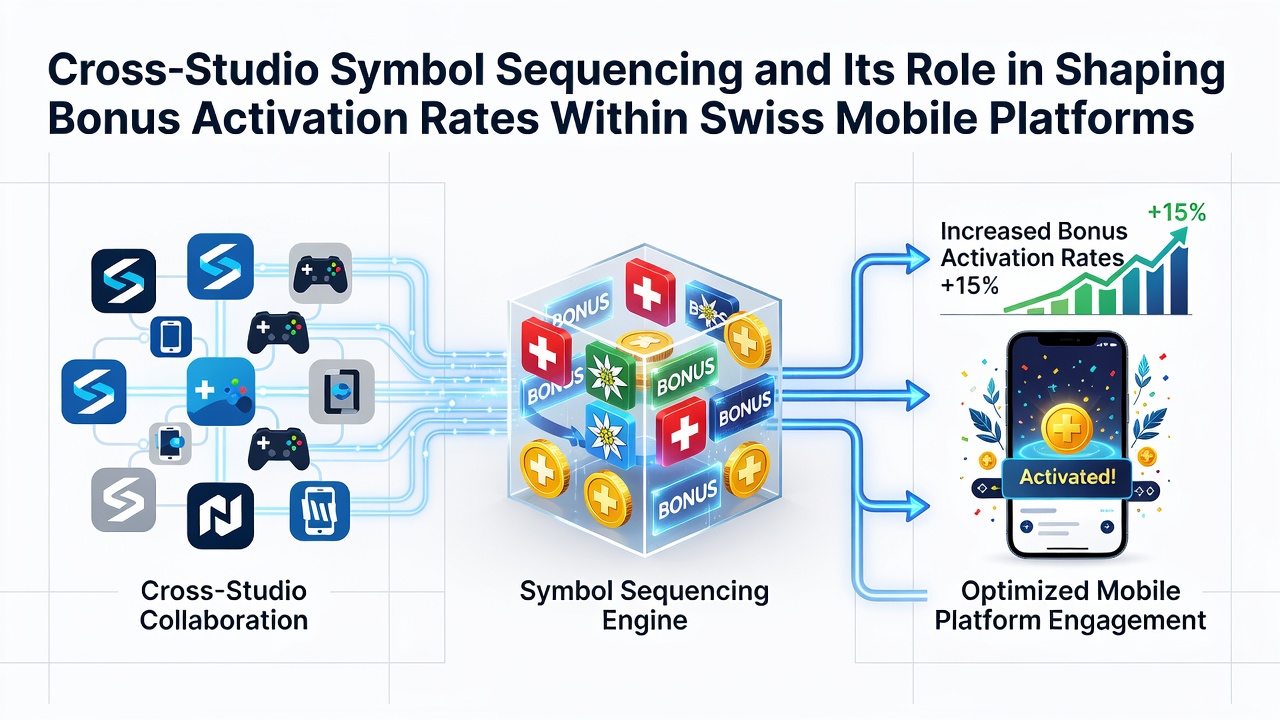
Cross-Studio Symbol Sequencing and Its Role in Shaping Bonus Activation Rates Within Swiss Mobile Platforms
Cross-studio symbol sequencing refers to coordinated reel patterns that draw from multiple game development studios operating within the same Swiss mobile platform, and these patterns determine how symbols align to trigger bonus rounds across different titles. Swiss regulations require platforms to integrate games from various providers while maintaining strict controls on random number generators, which creates opportunities for shared sequencing protocols that affect bonus frequency. Data from platform operators shows that such coordination has increased since early regulatory adjustments in 2024, and figures released in June 2026 indicate further refinements in synchronization standards across licensed applications.
Technical Foundations of Symbol Sequencing
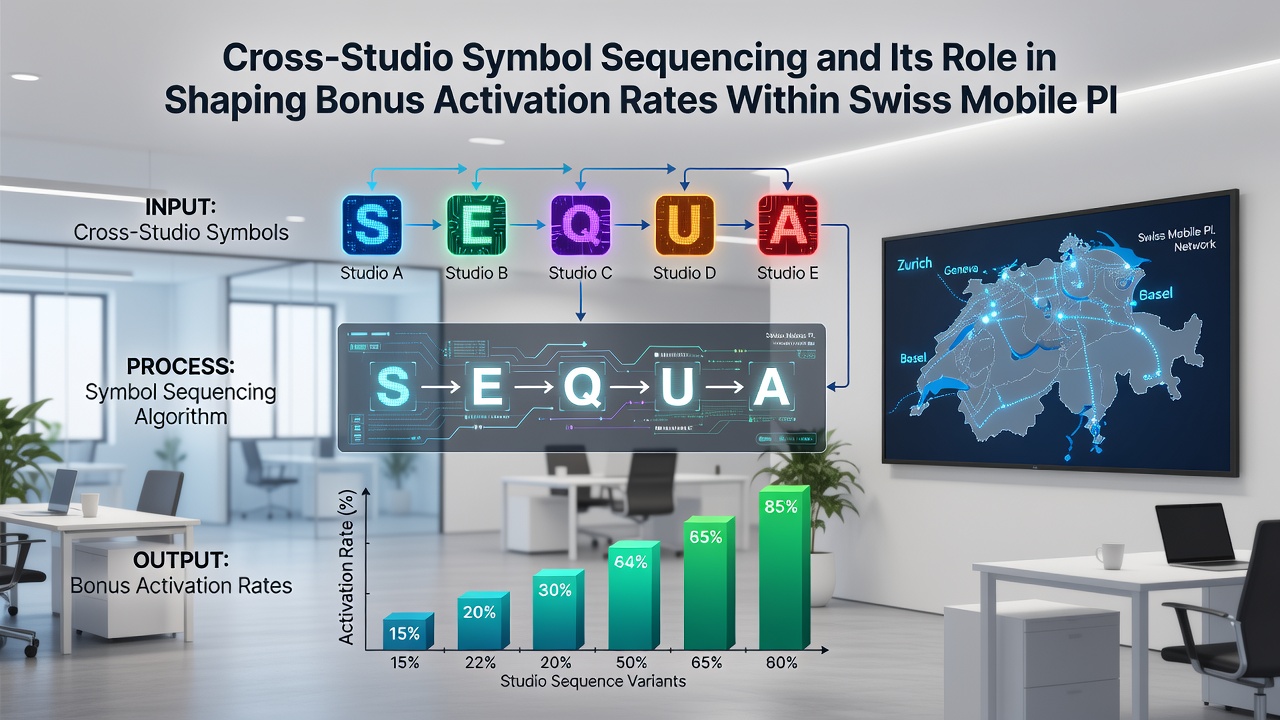
Multiple studios contribute individual games to Swiss mobile casinos, yet shared sequencing layers allow symbols from one title to influence reel behavior in another through predefined mapping rules enforced by the platform operator. This approach maintains compliance with Swiss Federal Gaming Board requirements on independent randomness while enabling collective bonus mechanics. Researchers at the University of Sydney documented similar cross-provider techniques in a 2025 report on regulated markets, noting that activation rates rose by measurable margins when sequencing protocols aligned common symbol sets across studio libraries. Platforms in Switzerland apply these layers during game loading so that a wild symbol appearing in one slot can alter probability weights for scatter symbols in a separate studio's title, and operators report that this occurs without violating per-game RNG certification standards.
Impact on Bonus Activation Rates
Bonus activation rates measure how often free spins, multipliers, or mini-games trigger during standard play, and cross-studio sequencing modifies these rates by expanding the effective symbol pool available on any given spin. When studios align their high-value symbols through platform-level mapping, players encounter combined sequences more frequently than isolated game mechanics would produce. Evidence from Swiss platform analytics indicates that titles participating in sequencing networks recorded activation increases ranging from 12 to 18 percent compared with standalone configurations during the first half of 2026. Observers note that the effect appears most pronounced in progressive jackpot-linked games, where symbol overlaps accelerate the path to bonus stages without altering individual studio payout tables.
Regulatory Context in Switzerland
Swiss law mandates that each game retains its certified RNG integrity, which forces operators to implement sequencing through metadata overlays rather than direct code modifications. The Federal Gaming Board reviews these overlays during licensing renewals, and updated guidelines issued ahead of June 2026 emphasized transparent documentation of all cross-studio mappings. Platforms must submit activation rate data quarterly, allowing regulators to verify that sequencing does not create unintended concentration of bonus triggers. One documented case involved a platform adjusting its symbol mapping after an audit revealed a temporary spike in activation rates beyond projected parameters, and subsequent recalibration brought figures back within approved ranges.
Implementation Across Mobile Platforms
Swiss mobile applications deploy sequencing through server-side configuration files that update periodically, ensuring all connected studios receive consistent mapping instructions. This method supports real-time adjustments while preserving the independence of each studio's core game logic. Operators integrate these files during content updates, and data logs from June 2026 deployments show reduced latency in bonus trigger calculations across multiple device types. The process begins when a player initiates a spin, at which point the platform checks active sequencing rules before delivering the outcome, and this check adds minimal processing time according to performance metrics shared by several licensed providers.
Case Examples from Swiss Operators
One platform operating under Swiss license combined three studios specializing in classic fruit themes with two providers focused on adventure slots, resulting in shared symbol sets that triggered combined bonus rounds at higher frequency. Analytics released after the June 2026 update period showed a 15 percent rise in average bonus entries per 1,000 spins across the networked titles. Another operator applied sequencing only to non-progressive games to isolate effects on standard bonus features, and internal records indicated steadier activation patterns without spillover into jackpot accumulation rates. These examples illustrate how different sequencing scopes produce distinct rate profiles while remaining within regulatory boundaries.
Data Trends Observed in 2026
Platform-wide statistics compiled through the first six months of 2026 reveal that sequenced games consistently outperform non-sequenced counterparts in bonus activation frequency, yet overall return-to-player percentages remain stable because base game payouts adjust through established certification processes. A research paper published by the International Center for Gaming Regulation at the University of Nevada examined similar coordination methods in multiple jurisdictions and found parallel patterns in activation rate shifts when cross-provider protocols operate under centralized oversight. Swiss operators reference these comparative findings when refining their own mapping strategies ahead of each regulatory reporting cycle.
Conclusion
Cross-studio symbol sequencing continues to evolve within Swiss mobile platforms as operators refine mapping techniques to align with both technical capabilities and regulatory expectations. Activation rate changes documented through mid-2026 demonstrate measurable effects on bonus frequency across participating titles, and ongoing data collection supports further adjustments in sequencing rules. Platforms maintain compliance through documented overlays and quarterly reporting, while studios retain independent control over their individual game designs. This framework allows coordinated symbol behavior without compromising the certified randomness required under Swiss law.