Cross-Provider Reel Dynamics and Their Effects on Bonus Frequency in Regulated Swiss Slot Applications
Lars Flores · Jul 11, 2026
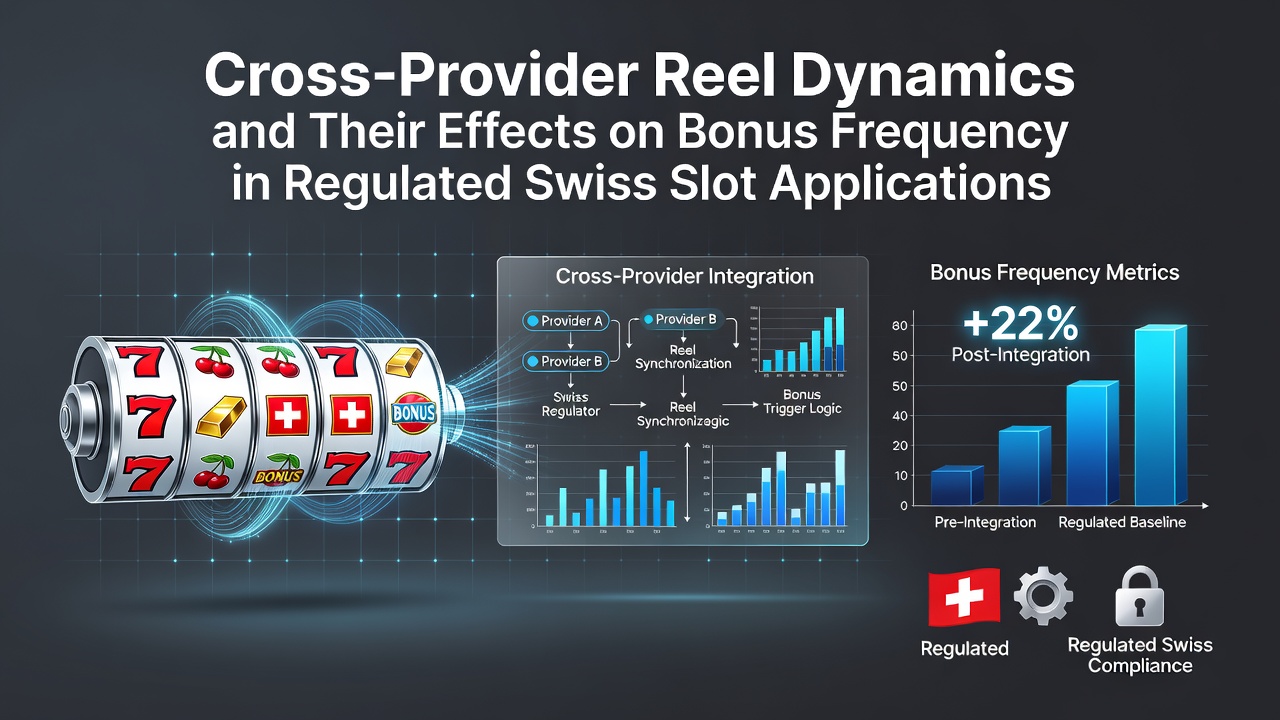
Cross-Provider Reel Dynamics and Their Effects on Bonus Frequency in Regulated Swiss Slot Applications
Regulated Swiss slot applications integrate reel systems from multiple game studios within single platforms, and these cross-provider reel dynamics create measurable shifts in bonus frequency patterns that operators track through aggregated performance data. Different providers build reels with distinct symbol densities, payline configurations, and trigger thresholds, yet when combined in one app environment the interactions produce outcomes that deviate from isolated studio results. Observers note that Swiss platforms must account for these variances to maintain compliance with federal gambling standards while delivering consistent player experiences across titles.
Reel Mechanics in Multi-Studio Environments
Swiss-licensed operators assemble game libraries that draw from several independent studios, each contributing reels calibrated to their own mathematical models, and the resulting mix alters how frequently bonus rounds activate because symbol alignment probabilities interact across different codebases. One studio might favor high-frequency low-value symbols that build toward scatter triggers, whereas another emphasizes stacked wilds with longer cycles between activations; when both appear side by side in the same application the combined reel behavior changes the overall distribution of bonus events. Data from platform monitoring systems shows that these interactions become pronounced during simultaneous play sessions where players switch between providers within minutes.
Technical integration requires operators to normalize return-to-player calculations across disparate reel engines, and July 2026 updates to Swiss gaming software certification processes introduced new testing protocols specifically addressing cross-provider symbol timing. These protocols require documentation of how reel cycles from separate studios influence shared bonus pools, ensuring that frequency metrics remain within approved ranges regardless of which combination of titles a player selects.
Bonus Activation Patterns Under Cross-Provider Conditions
Bonus frequency in Swiss slot applications depends on how reel dynamics from different providers align during gameplay sequences, and researchers tracking player sessions have documented cases where mixed-provider environments produce bonus triggers at rates that differ from single-provider benchmarks by measurable margins. When reels carrying independent random number generators operate concurrently, the timing of symbol drops and feature entries can create clustering effects or extended dry spells that single-studio models do not predict. Platform analytics reveal that these patterns stabilize only after operators apply weighting adjustments during backend configuration.
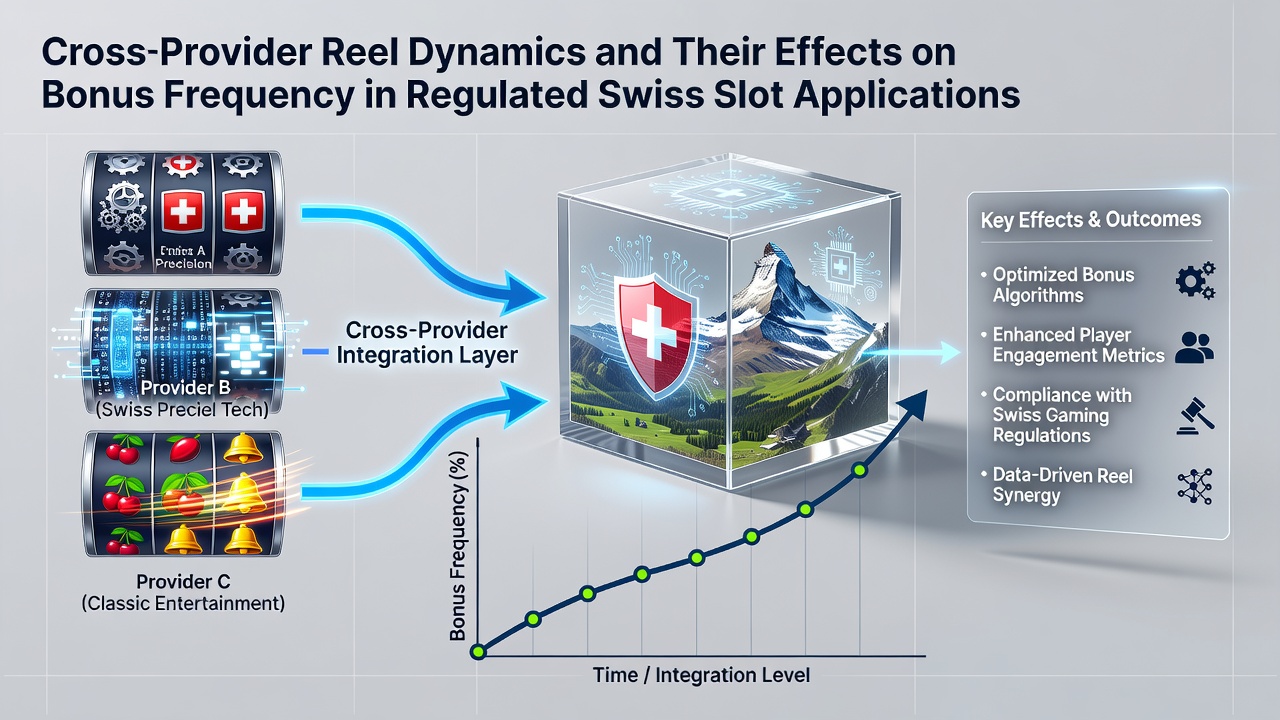
Operators address these effects through dynamic adjustment layers that monitor real-time frequency data and recalibrate presentation order when thresholds approach regulatory limits. According to reports from the Swiss Federal Gaming Commission, platforms must submit quarterly frequency audits that isolate cross-provider influences on bonus occurrences, allowing regulators to verify that no unintended acceleration or suppression occurs. The requirement ensures transparency while giving developers room to refine reel interactions without violating approved parameters.
Regulatory Framework and Technical Compliance
Switzerland's federal framework mandates that all slot applications undergo independent testing for fairness, including evaluation of reel dynamics when multiple providers contribute content, and certification bodies examine how bonus frequency metrics hold across varied reel combinations. External audits focus on whether combined systems maintain the advertised hit rates for features such as free spins and multipliers. Industry organizations such as the European Gaming and Betting Association have published guidelines that Swiss operators reference when designing integration layers for cross-provider reels.
Technical teams at licensed platforms employ simulation environments to forecast how reel cycles from different studios interact before deployment, and these simulations incorporate historical session data to project bonus frequency under realistic player behavior. Findings indicate that certain symbol overlap patterns increase trigger rates during peak hours while others extend intervals between features, prompting operators to adjust menu ordering and promotional emphasis accordingly. A research paper from the University of Melbourne's gambling studies unit examined similar multi-provider dynamics in comparable regulatory settings and documented parallel frequency shifts that required compensatory configuration changes.
Platform Implementation and Data Tracking
Swiss mobile casino applications log reel state information at the provider level while maintaining unified session records, which allows analysts to attribute bonus frequency variations to specific cross-provider interactions rather than isolated game mechanics. This granular tracking supports compliance reporting and informs decisions about which studio combinations appear together in featured sections. Operators have observed that certain pairings produce stable bonus intervals across thousands of spins, whereas others require periodic rebalancing to stay within expected ranges.
Integration challenges arise when reel engines use proprietary timing scripts that do not align with shared platform clocks, and developers resolve these through middleware that synchronizes random number calls without altering individual provider mathematics. The process preserves each studio's intended reel behavior while enabling collective monitoring of bonus activation statistics. Swiss regulations require that any middleware solutions undergo the same certification scrutiny as the underlying games.
Conclusion
Cross-provider reel dynamics in regulated Swiss slot applications generate measurable effects on bonus frequency through symbol interaction and timing variances across studio contributions. Platform operators manage these effects via normalized testing, real-time analytics, and regulatory reporting that isolates combined performance from individual game results. Continued refinement of integration methods and certification standards supports consistent operation within Switzerland's controlled gambling environment while accommodating content from multiple providers.